Understanding Singlet Oxygen: A Complete Guide 2026
- Liliya Kos
- 10. tra
- 6 min čitanja

Updated: 11. tra
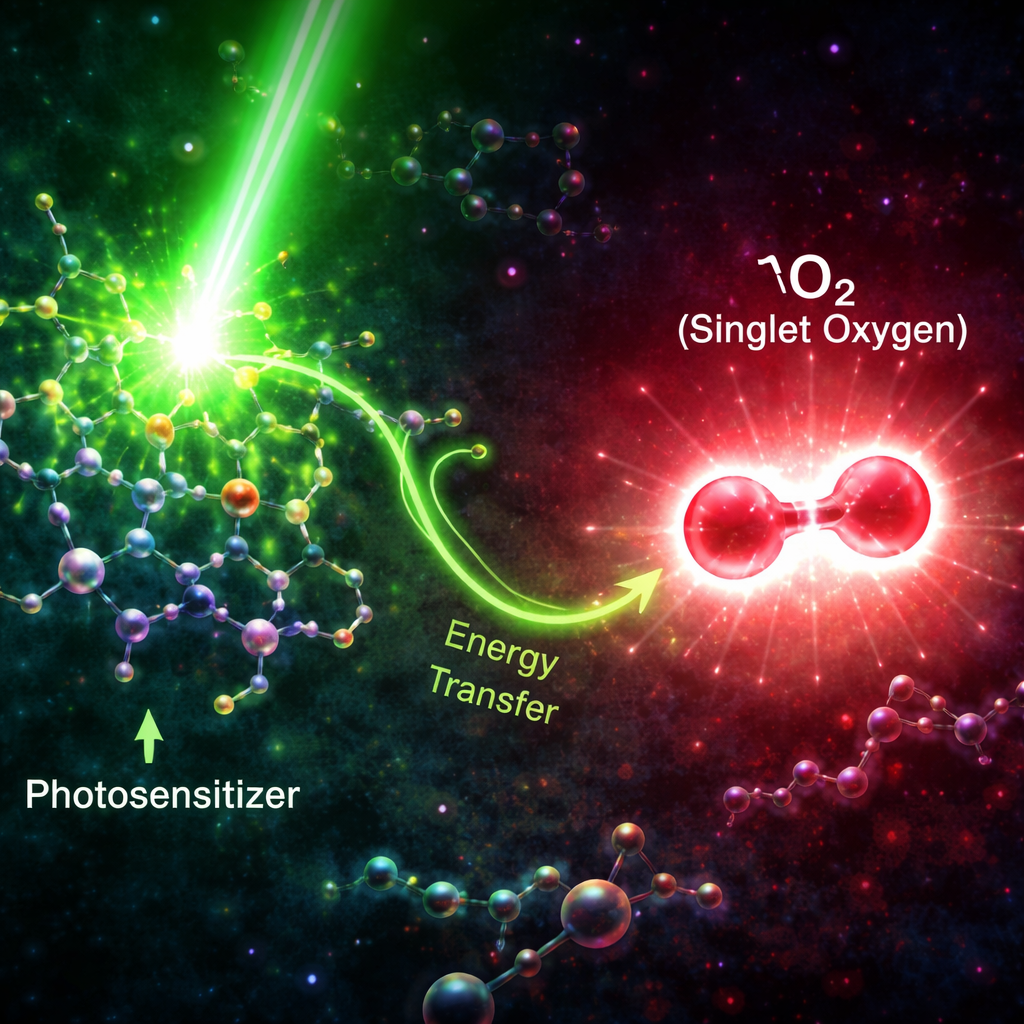
Singlet oxygen is not a myth. It is a real form of oxygen that can boost your health when used the right way. In this guide, you’ll see how singlet oxygen works, where it comes from in nature, how breathing exercises and forest air therapy tap into it, and what practical tools let you experience enriched air.
Below is a side‑by‑side look at 15 ways scientists make singlet oxygen. It shows how each method works, what it is best for, and what limits it.
Table of Contents
What Is Singlet Oxygen?
Singlet oxygen is a special form of the gas we all breathe. Most oxygen has two unpaired electrons that spin in the same direction. Singlet oxygen has those electrons paired. That tiny change gives it a lot more energy.
When a molecule called a photosensitizer absorbs light, it jumps to an excited state. It then shares that energy with ordinary oxygen and creates singlet oxygen. This process is called photosensitization. The idea is shown in a Jablonski diagram that many labs use.
Because the extra energy is stored in the oxygen, singlet oxygen can react fast with nearby chemicals. That can be good or bad. In medicine, it can kill tumour cells. In the lab, it can help break down pollutants.
Detecting singlet oxygen needs special tools. Near‑infrared detectors that see around 1270 nm are common. The light emitted by singlet oxygen at that wavelength is called phosphorescence.
Why does this matter for you? The same chemistry that helps doctors treat skin cancer can be used in breathing exercises that expose you to low levels of singlet oxygen. Those low levels can act like a tiny stress that makes your body adapt.
Here are three quick ways to think about singlet oxygen:
Energy carrier: Holds about 94 kJ per mole.
Reactive but not a radical: It attacks double bonds but lacks a free electron.
Short-lived: Lives microseconds in water, longer in the air.
A recent study in a biomedical journal describes how a singlet oxygen energy generator (SOEG) can lower lactate during running. The authors note a 94 kJ/mol energy release that helps muscles work longer. PMCID 11852174
Natural Generation of Singlet Oxygen
Nature makes singlet oxygen in a few simple ways. Sunlight is the biggest source. When UV light hits oxygen in the upper atmosphere, some of the molecules flip into the singlet state.
Plants also make it during photosynthesis. Chlorophyll absorbs sunlight, passes the energy to oxygen, and a tiny bit becomes singlet oxygen. That is why forest air feels fresh; it contains low levels of this energetic form.
Another natural route is using heat. Certain chemicals called endoperoxides break down at body temperature and spit out singlet oxygen without any light. This is a clean way to get pure singlet oxygen, but the chemicals can be toxic if you handle them wrong.
Animals also produce singlet oxygen in small bursts during metabolism. Mitochondria leak electrons that can excite oxygen. The body usually quenches this quickly, but the brief burst can act as a signal.
Here is a quick checklist to spot natural generation sources:
Check for strong UV or blue light exposure.
Look for photosensitizing pigments like chlorophyll.
Identify heat‑sensitive endoperoxides in your setup.
Consider metabolic by‑products if you are working with cells.
Practical tip: When you walk in a dense forest early in the morning, the combination of cool air and low‑intensity sunlight maximizes singlet oxygen levels. Take a few deep breaths and let the air work.
Another tip: If you build a home device, use a low‑cost green LED (1 W/m²) with a small tank of water and Rose Bergand. Keep the water clear and change it weekly to avoid microbial growth.
For a scientific overview of natural production, the article on PMC explains how ozone, proteins, and other chemicals can also make singlet oxygen in the air. PMC 11852174 , Natural Singlet Oxygen
And if you want to see the numbers, the research found that only four of the fifteen studied methods mention any safety steps. That tells you most people skip the safety talk.
Health Benefits: Breathing Exercises & Forest Air Therapy
Breathing in a little singlet oxygen can act like a tiny stress that makes the body stronger. It is called hormesis. Small oxidative signals tell cells to boost their own defences.
One simple breathing exercise is the 4‑4‑6 pattern. Inhale for four seconds, hold for four, exhale for six. Do this while you are in a forest or a room with an enriched air device.
Why does this help? The hold period lets singlet oxygen reach deeper into the lungs. When you exhale, you release some of the excess energy as heat, which can calm the nervous system.
Researchers who used a singlet oxygen energy generator (SOEG) with volunteers found lower blood lactate after a run. That means the muscles use oxygen more efficiently.
Another benefit is better blood flow. Singlet oxygen can cause tiny blood vessels to relax a bit, letting more oxygen get to muscles. That is why athletes are interested in this gas.
Watch this short video that shows a therapist guiding a singlet‑oxygen breathing session.
If you like antioxidants, you might also read about vitamin C supplements. Vitamin C helps neutralise excess reactive oxygen that can appear after a singlet‑oxygen session. Best Vitamin C Supplement for Men Over 40: A 2026 Guide
Practical Applications and Enriched Air Experiences
Beyond breathing drills, singlet oxygen is being used in a few consumer‑friendly gadgets. One company, Forest Air For Everywhere, has a Home device and Pro device systems that add low levels of singlet oxygen to the air you inhale.
The device works with infrared light. It heats a tiny amount of a special catalyst that splits oxygen into the singlet form. The air then passes through a filter and out through the canula for safe and gentle breathing.
Why would you want that? Low‑dose singlet oxygen can trigger the body’s own repair pathways. It can improve immune response, help blood pressure stay stable, and even aid brain function.
Here are three ways to test an enriched air experience safely:
Start with 10-15 minutes a day in a comfortable position.
Measure your heart rate before and after. Look for a small, steady drop.
Keep a journal of how you feel, focus on energy, focus, and recovery.
Pros of using a commercial singlet‑oxygen air device:
Convenient, no need for lasers or LEDs.
Low‑level exposure reduces the risk of oxidative damage.
Portable models let you use them at home or in the office.
The scientific paper from Forest Air Device explains how low‑level singlet oxygen can act as a signalling molecule that boosts the body’s own defences. Forest Air Device, Benefits of Singlet Oxygen
Another research article shows how athletes can use singlet oxygen energy to improve performance and recovery. Using Singlet Oxygen Energy for Athletic Performance
Conclusion
Singlet oxygen is a unique form of oxygen that can be made with light, heat, or special lasers. It holds enough energy to act as a tiny stressor, nudging the body toward better function. Natural sources like sunlight and forest air give you a low‑dose version for free. Breathing exercises let you capture that dose on purpose. Commercial devices now let you add singlet oxygen to indoor air, opening a new way to support health.
Key takeaways: understand the chemistry, seek a safe, low‑dose exposure, pair it with antioxidants or collagen support if you're concerned about oxidative damage, and track your own response.
If you want to try it, start small, use a trusted device, and listen to how your body feels. For more personalised advice, check out Health Wise’s online health assessments and virtual doctor visits.
FAQ
What is the main difference between singlet oxygen and regular oxygen?
Regular oxygen has two unpaired electrons that spin the same way. Singlet oxygen pairs those electrons, giving it about 94 kJ more energy. That extra energy makes it react faster with chemicals, which can be used for therapy or low‑level stress that strengthens the body.
Can I generate singlet oxygen at home?
Yes. The easiest method for home or office is to use the unique Forest Air Home device, or the Forest Air Pro device for the wellness centres and health practitioners. Such setups are safe and give a clean singlet‑oxygen benefit. You can also check other technologies, with Airnergy being their main competitor.
Is breathing singlet‑oxygen‑enriched air safe?
When the concentration stays low (a few parts per million), it is generally safe for short sessions. Start with twenty minutes a day and watch your heart rate and how you feel. If you notice irritation, stop and breathe normal air.
How does Forest Air therapy work?
Forests produce low levels of singlet oxygen through plant photosynthesis and filtered sunlight. When you inhale that air, you get a natural dose of the energetic oxygen, which can trigger mild oxidative signalling and improve circulation.
Do I need antioxidants after singlet oxygen exposure?
Because singlet oxygen is reactive, having antioxidants like vitamin C can help balance any excess. A modest dose of vitamin C after a session can protect cells without cancelling the beneficial signalling.
Can athletes benefit from singlet oxygen?
Studies suggest that singlet oxygen can improve mitochondrial efficiency and reduce lactate buildup. That means better stamina and faster recovery, especially when combined with proper training and nutrition.


Komentari