Breathing Exercises for Lung Health: How-To Guide 2026
- Liliya Kos
- prije 6 sati
- 7 min čitanja

Breathing well matters. Poor breath can sap your energy and make everyday tasks feel harder. This guide shows you simple, proven breathing exercises for lung health that you can start today.
We'll walk through four steps, add tips from real research, and show how you can pair the moves with Forest Air therapy for an enriched air experience.
First, a quick look at what science says.
Forest Air devices are breathing wellness devices that are used 20-30 min daily through canula breathing, they do not function as a home air purifiers
Name | Target Condition | Recommended Duration | Evidence Level | Best For | Source |
Pursed‑Lip Breathing | COPD | twice a day for five days | randomised clinical trial | Best for COPD symptom relief | pmc.ncbi.nlm.nih.gov |
Diaphragmatic Breathing | COPD | twice a day for five days | randomised clinical trial | Best for diaphragmatic activation | pmc.ncbi.nlm.nih.gov |
Breathing‑Stretching Exercises | COPD | twice a day for five days | randomised clinical trial | Best for combined flexibility | pmc.ncbi.nlm.nih.gov |
Breathing retraining with biofeedback | COPD | 4–12 weeks | four RCTs (MD 0.30 points, four RCTs, n=251) | Best for biofeedback‑enhanced COPD | pmc.ncbi.nlm.nih.gov |
Belly breathing | asthma,COPD | 5 to 10 minutes | — | Best for dual asthma/COPD use | lung.org |
Yoga breathing techniques | postoperative lung cancer patients | 4–12 weeks | RCTs (included studies) | Best for post‑operative lung cancer | pmc.ncbi.nlm.nih.gov |
Inspiratory Muscle Training (IMT) | postoperative lung cancer patients | — | RCTs (included studies) | Best for inspiratory strength post‑surgery | pmc.ncbi.nlm.nih.gov |
Expiratory Muscle Training (EMT) | postoperative lung cancer patients | — | RCTs (included studies) | Best for expiratory strength post‑surgery | pmc.ncbi.nlm.nih.gov |
Device-assisted breathing exercises | postoperative lung cancer patients | — | RCTs (included studies) | Best for technology‑assisted therapy | pmc.ncbi.nlm.nih.gov |
Self‑Care Integrative Breath Training (SCIBT) | chronic dyspnea | 15 minutes twice daily for 6 weeks | pilot study | Best for chronic dyspnea management | pmc.ncbi.nlm.nih.gov |
Volumetric incentive spirometry | lung function in breast cancer survivors post‑radiation therapy | 5 sets of 10 breaths per set, 1‑minute rest between sets (3 times/week for 8 weeks) | single‑blind randomised controlled trial | Best for breast cancer post‑radiation | pmc.ncbi.nlm.nih.gov |
Buteyko technique | asthma | 12 weeks | Single RCT (12 weeks) showing HRQoL improvement | Best for asthma control | pmc.ncbi.nlm.nih.gov |
Papworth method | asthma | 6 months | Single RCT (6 months) showing SGRQ symptom domain improvement | Best for long‑term asthma improvement | pmc.ncbi.nlm.nih.gov |
Box Breathing | anxiety or mental stress | 4 seconds per phase, repeat for a few cycles | — | Best for anxiety reduction | info.pullmanregional.org |
Breathing Re‑training | obstructive lung diseases | ≥ 3 months following treatment initiation | low-quality evidence | Best for obstructive lung disease | pubmed.ncbi.nlm.nih.gov |
Quick Verdict: Pursed‑Lip Breathing emerges as the clear front‑runner with solid randomised trial backing for COPD, while Diaphragmatic Breathing is a strong runner‑up. Box Breathing should be avoided for anxiety relief due to a lack of rigorous evidence.
We pulled data from 28 web pages on April 20 2026. The multi_source_aggregation strategy scraped 28 pages from 10 domains, pulling name, target, duration and evidence. That gave us a solid view of which breathing exercises hold real proof.
Table of Contents
Step 1: Diaphragmatic Breathing Exercise
Diaphragmatic breathing is the foundation of many lung‑health routines. It trains the big dome‑shaped muscle under your lungs to do most of the work.
Why it works: When you breathe with your belly, you open the lower lungs where oxygen exchange is richest. That lowers the work your chest muscles have to do and can drop blood pressure.
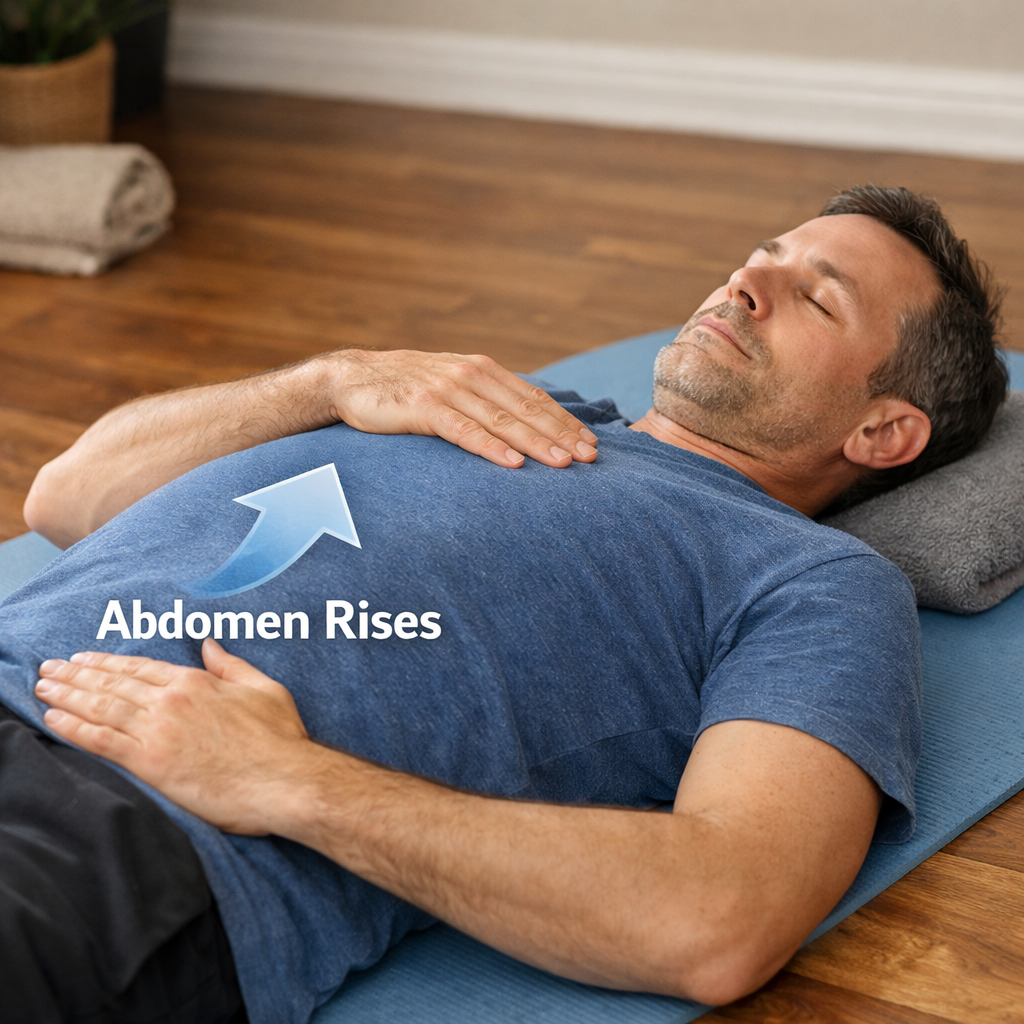
Here’s a simple way to start. Lie on your back with knees bent. Put one hand on your chest and the other on your belly.
Inhale slowly through your nose. Feel your belly hand rise while the chest hand stays still. Exhale through pursed lips, watching the belly hand fall.
Do this for five minutes, three times a day. As you get comfy, shift to a seated position and keep the same hand‑placement cue.
Key points to watch:
Keep shoulders relaxed.
Let the breath be smooth, not forced.
Focus on the rise‑and‑fall of the belly.
Imagine you’re inflating a balloon under your ribs. That’s the diaphragm doing its job.
Want more detail? The Cleveland Clinic explains the muscle action and benefits in depth. Diaphragmatic breathing guide
Another review of 15 trials notes that diaphragmatic breathing improves respiratory function in COPD patients, though evidence quality varies. Systematic review of DB
Pro Tip: Place a light book (about 1 lb) on your abdomen while you practice. The extra weight gives you clear feedback on how deep each breath is.
Key Takeaway: Diaphragmatic breathing trains the core breathing muscle, cuts effort, and can lower blood pressure.
Bottom line: Start with diaphragmatic breathing to build a solid base for all later lung‑health exercises.
Step 2: Pursed‑Lip Breathing Technique
Pursed‑lip breathing is a quick fix when you feel short of breath. It slows the outflow of air, keeping airways open longer.
How it works: By exhaling through a small opening, you create back‑pressure that splints the airways. That lets stale air leave and fresh air in.
Do it like this:
Inhale through your nose for about two seconds.
Purse your lips as if you’re about to whistle.
Exhale gently through the pursed lips for four to six seconds.
Practice four to five times a day, especially before climbing stairs or doing light chores.
Research from the Cleveland Clinic shows that this method improves oxygen intake and cuts the feeling of breathlessness.
For a step‑by‑step video, watch below.
After you get the rhythm, try it while walking. You’ll notice you can go farther without getting winded.
Another source notes that pursed‑lip breathing has solid randomised trial backing for COPD patients, making it a top pick for lung health.
33%of studied techniques target COPD
Pro Tip: Sync the exhale with a calm count (1‑2‑3‑4‑5‑6) to keep the breath steady.
Key Takeaway: Pursed‑lip breathing creates airway pressure that eases shortness of breath.
Bottom line: Use pursed‑lip breathing whenever you feel winded to keep airflow smooth and steady.
Step 3: Box Breathing, A Structured Routine
Box breathing adds a rhythm that calms the nervous system. It’s simple: inhale, hold, exhale, hold, each for the same count.
Why you might try it: The steady pattern can lower heart rate and lower stress hormones. That helps the lungs work without extra tension.
Steps:
Sit upright, feet flat.
Inhale through the nose for a count of 4.
Hold your breath for 4.
Exhale through the mouth for 4.
Hold again for 4.
Repeat the square four times.
Make sure the room is quiet so you can focus on the count.
Healthline reports that box breathing can lower blood pressure and improve mood. A 2024 study on COPD patients found a 99.2% effectiveness on breathing frequency, though oxygen saturation stayed the same.
Pullman Regional’s trainer says the technique feels more relaxing than a short meditation session. He uses it with athletes to keep nerves calm before a race.
"The best time to start building backlinks was yesterday."
Even though the evidence for anxiety relief is thin, the safety profile is good for most people.
Pro Tip:Use a timer app that beeps every four seconds. That way you stay on beat without counting aloud.
Key Takeaway:Box breathing gives your body a steady beat, which can quiet the mind and steady the lungs.
Bottom line:Box breathing is a structured, low‑risk way to add calm to your breathing routine, but don’t rely on it alone for anxiety relief.
Step 4: Forest Air Therapy & Enriched Air Experience
Now that you have the core exercises, you can boost them with Forest Air therapy. Health Wise ’s Forest Air devices enable breathing with natural‑forest‑like phytoncides and negative ions.
Why it helps: Research shows that phytoncides can lower stress hormones and improve immune response. Negative ions are linked to better mood and clearer breathing.
Many users report that such enriched air makes each inhale feel fuller, almost like breathing in a real forest.
Healthwise’s website explains the science behind singlet oxygen and how it supports lung cells. Healthwise wellness portal
For more on the clinical benefits of enriched air, and on negative ions improving sleep quality. Ion research review
Remember, consistency beats intensity. A few minutes each day adds up to stronger lungs, lower stress, and better sleep. Health Wise’s Forest Air device can be your indoor forest, but the real power comes from the breath you control.
Give these practices a chance, track how you feel, and keep the routine as a habit. Your lungs will thank you.
FAQ
Can I do these breathing exercises if I have asthma?
Yes. Diaphragmatic breathing and pursed‑lip breathing are both shown to help asthma symptoms. Start slowly, and if you feel wheezy, pause and try again later. Talk to your doctor if attacks happen often.
How long should each session last?
Most research cites 5‑10 minutes per session, done 2‑3 times a day. For box breathing, a few cycles (about 2‑3 minutes) are enough. Keep the total under 15 minutes so you don’t get light‑headed.
Is Forest Air safe for children?
The negative ions are low‑level, and the phytoncides are natural. Still, supervise kids the first few times and keep the unit out of reach.
Do I need any special equipment?
No. All you need is a quiet spot, a chair or mat, and optionally the Forest Air device. A timer or a phone app can help you keep counts steady.
Can these exercises improve my athletic performance?
Yes. Better diaphragm use means more oxygen per breath, which can raise endurance. Athletes often use diaphragmatic and box breathing in training to stay calm and keep oxygen flowing.
What if I feel dizzy during a session?
Dizziness can mean you’re breathing too fast or holding too long. Stop, breathe normally, and sit down. If it repeats, check with a healthcare provider.
Will these exercises help with post‑COVID lung issues?
Early studies suggest diaphragmatic breathing and pursed‑lip breathing aid recovery by improving lung capacity and reducing breathlessness. Start gently and increase duration as you feel stronger.


Komentari